Variant of socialism developed in Tito's Yugoslavia, combining single-party rule and a cult of the leader with workers' self-management of enterprises, federal decentralization, market openness, and non-alignment between the Cold War blocs.
“
In one sentence
I want a federation of soviets self-managed by workers, with a single party, non-alignment and controlled openness to the market.
This is how someone from Titoist Socialism would sum up the society they want.
Political axes
Profile across the 12 cunnys
Niya
Structure
Strong · Federal
Federal78%
Unitary22%
Rationale
Our Titoist Socialism definition includes “federation of soviets self-managed by workers”. Territorial autonomy, confederation or jurisdictional competition bears directly on where public decisions reside.
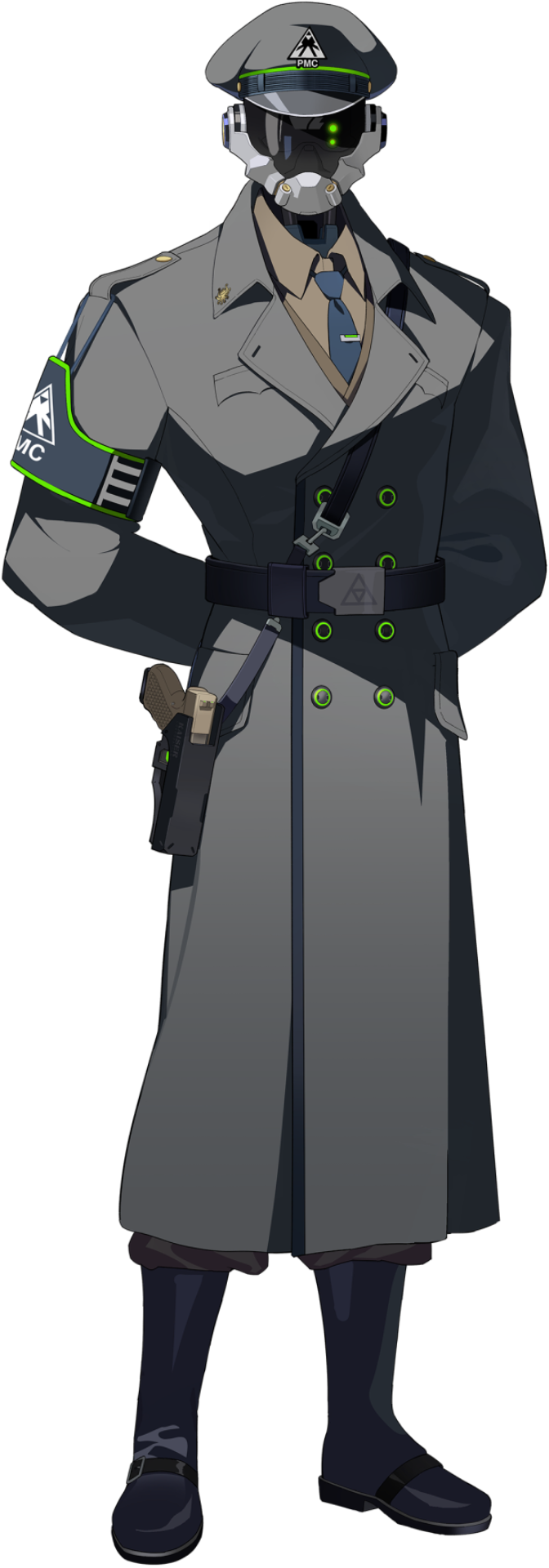
Kaiser PMC General
Representation
Strong · Autocracy
Democracy28%
Autocracy72%
Rationale
Our Titoist Socialism definition includes “a single party, non-alignment and controlled openness to the market”. The stance toward party dictatorship or unelected leadership bears directly on electoral replacement; endorsement and rejection of those forms imply different directions.
Black Suit
Power
Strong · Security
Security83%
Liberty17%
Rationale
Our Titoist Socialism definition includes “combining single-party rule and a cult of the leader with workers' self-management of enterprises, federal decentralization, market openness”. Protected autonomy and voluntary association bear directly on limits to public coercion.
Serina
Immigration
Strong · Multiculturalism
Assimilation28%
Multiculturalism72%
Rationale
Our Titoist Socialism model centers on federation of soviets self-managed by workers, with a single party, non-alignment and controlled openness to the market. That core does not specify minority membership, migration and the coexistence of cultural identities. Shared economic interests or a universal philosophical ethic do not alone specify immigration or cultural-integration policy.
Balanced
Diplomacy
Balanced
Militarist53%
Pacifist47%
Rationale
Our Titoist Socialism definition includes “non-alignment between the Cold War blocs”. Organized force, military command or acceptance of war bears on militarism; domestic revolt and foreign war are not identical.
Hina
Intervention
Leaning · Non-interventionist
Non-interventionist66%
Interventionist34%
Rationale
Nonalignment, sovereignty or solidarity among liberated peoples is explicit in the definition. These support a restrained foreign-projection strand while not excluding diplomatic engagement, defensive war or all external assistance; the exact degree remains a model choice.
Minori
Economy
Strong · Public
Public79%
Private21%
Rationale
Our Titoist Socialism model centers on federation of soviets self-managed by workers, with a single party, non-alignment and controlled openness to the market. That core does not specify ownership of productive assets, land and enterprises. Welfare spending, moral solidarity and expert administration do not by themselves abolish or privatize productive ownership.
Cherino
Control
Leaning · Planning
Planning69%
Free market31%
Rationale
Our Titoist Socialism definition includes “combining single-party rule and a cult of the leader with workers' self-management of enterprises, federal decentralization, market openness”. Self-management or needs-based cooperation supplies a noncentralized coordination model, which is not identical to a capitalist market.
Balanced
Trade
Balanced
Protectionism55%
Globalism45%
Rationale
Our Titoist Socialism model centers on federation of soviets self-managed by workers, with a single party, non-alignment and controlled openness to the market. That core does not specify cross-border trade, capital flows and economic integration. Domestic market freedom and international cultural solidarity are different claims from a free-trade policy.
Kei
Religion in governance
Strong · Secular governance
Secular governance83%
Religious governance17%
Rationale
Our Titoist Socialism model centers on federation of soviets self-managed by workers, with a single party, non-alignment and controlled openness to the market. That core does not specify whether public rules and political authority are grounded in religious doctrine. Personal faith, atheism, religious identity and rejection of a state do not alone establish the source of public rules.
Balanced
Morality
Balanced
Progressive48%
Traditionalist52%
Rationale
Our Titoist Socialism model centers on federation of soviets self-managed by workers, with a single party, non-alignment and controlled openness to the market. That core does not specify public attitudes toward inherited customs, family, gender and social change. Economic redistribution, technological novelty and a religious affiliation do not uniquely determine every moral position.
Rio
Technology
Strong · Technology
Technology73%
Biology27%
Rationale
Our Titoist Socialism model centers on federation of soviets self-managed by workers, with a single party, non-alignment and controlled openness to the market. That core does not specify the priority given to technological transformation versus ecological or bodily limits. Historical age, rural life and scientific reasoning do not by themselves establish acceptance or rejection of all technology.
What sets this ideology apart
Most unusual position
Niya
Structure
Leans further toward federal than 78% of the 250 ideologies in the catalog.
Ideology median 38This ideology 78
Of all the axes, Structure is where it stands furthest from the rest.
Most common position
Balanced
Morality
On Morality, it sits close to the catalog median.
Ideology median 43This ideology 48
Here it shares common ground with most ideologies.