
Crypto-Anarchism
Current that uses cryptography and digital technologies to guarantee privacy, freedom, and transactions beyond state control, seeking to weaken surveillance and authority through technological means.
Home / Ideologies / Crypto-Anarchism
Current that uses cryptography and digital technologies to guarantee privacy, freedom, and transactions beyond state control, seeking to weaken surveillance and authority through technological means.
In one sentence
I want a life protected by cryptography, free of surveillance and borders that block transactions, dissolving the state's authority through technology.
Political axes

Our Crypto-Anarchism definition includes “transactions beyond state control”. A strong coordinating state provides centralizing context, but the territorial division of powers remains a further catalogue choice.

Our Crypto-Anarchism model centers on life protected by cryptography, free of surveillance and borders that block transactions, dissolving the state's authority through technology. That core does not specify who can choose, replace and hold political decision-makers accountable. A social or economic objective does not by itself establish elections, popular sovereignty or an unelected ruling elite.

Our Crypto-Anarchism definition includes “seeking to weaken surveillance and authority through technological means”. Compulsion, surveillance or enforced discipline is relevant to the security side independently of election rules.

Our Crypto-Anarchism model centers on life protected by cryptography, free of surveillance and borders that block transactions, dissolving the state's authority through technology. That core does not specify minority membership, migration and the coexistence of cultural identities. Shared economic interests or a universal philosophical ethic do not alone specify immigration or cultural-integration policy.

Our Crypto-Anarchism model centers on life protected by cryptography, free of surveillance and borders that block transactions, dissolving the state's authority through technology. That core does not specify the political role of organized armed force and acceptance of war. Domestic coercion, economic state intervention and national pride do not by themselves establish militarism or pacifism.

Our Crypto-Anarchism model centers on life protected by cryptography, free of surveillance and borders that block transactions, dissolving the state's authority through technology. That core does not specify coercive foreign projection into other peoples or states. This axis concerns foreign intervention, not nationalism, domestic regulation, cultural confidence or military preparedness alone.
Our Crypto-Anarchism model centers on life protected by cryptography, free of surveillance and borders that block transactions, dissolving the state's authority through technology. That core does not specify ownership of productive assets, land and enterprises. Welfare spending, moral solidarity and expert administration do not by themselves abolish or privatize productive ownership.

Our Crypto-Anarchism model centers on life protected by cryptography, free of surveillance and borders that block transactions, dissolving the state's authority through technology. That core does not specify how production and allocation are coordinated through plans or decentralized exchange. Public ownership can coexist with markets, and private firms can operate under directed planning.

Our Crypto-Anarchism model centers on life protected by cryptography, free of surveillance and borders that block transactions, dissolving the state's authority through technology. That core does not specify cross-border trade, capital flows and economic integration. Domestic market freedom and international cultural solidarity are different claims from a free-trade policy.

Encrypted networks, voluntary coordination and privacy do not state a religious basis for shared rules.

Our Crypto-Anarchism model centers on life protected by cryptography, free of surveillance and borders that block transactions, dissolving the state's authority through technology. That core does not specify public attitudes toward inherited customs, family, gender and social change. Economic redistribution, technological novelty and a religious affiliation do not uniquely determine every moral position.

Our Crypto-Anarchism definition includes “seeking to weaken surveillance and authority through technological means”. Technology, industrial transformation or scientific organization is part of the stated project, while its ethical and ecological limits remain separate questions.
Leans further toward federal than 96% of the 250 ideologies in the catalog.
Of all the axes, Structure is where it stands furthest from the rest.
On Representation, it sits close to the catalog median.
Here it shares common ground with most ideologies.

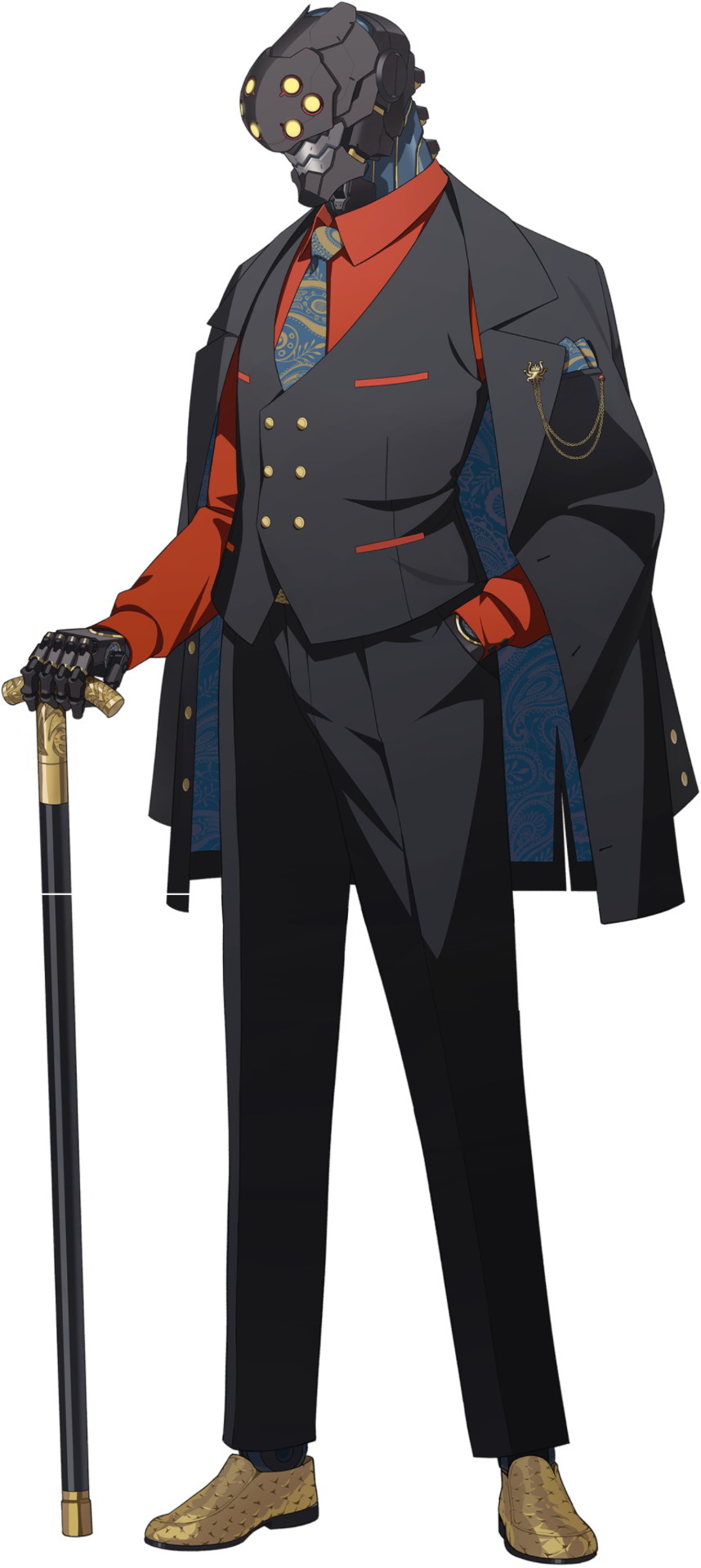
Rumi leads the Black Tortoise Promenade and transformed an ordinary food alley into a celebrated dining district. Her independent commercial success worries Genryumon, but she maintains that cooking and developing the promenade are her real priorities.
Closest, by dimension



Other compatible profiles








The most distant

A Red Winter group devoted to preserving and enjoying books, manga, and fan publications. Its members pursue access to literature despite the academy leadership's restrictions.
Also close, by dimension

The most distant
Ideological proximity
Closest within Libertarian
Branch that pursues gender equality through individual freedom and the market rather than the state, defending autonomy, equal rights, and the end of legal restrictions on women's choices.
Current that proposes abolishing the state and organizing all of society through contracts and free markets, with security, justice, and services provided by competing private companies under absolute property rights.
Philosophy that advocates maximum individual freedom and a state reduced to essential functions, valuing private property, free markets, and personal autonomy while rejecting state coercion over life.
Closest in other spectrums
Branch that reconciles socialist ideals with strong emphasis on personal autonomy and freedom, defending cooperation and collective ownership without sacrificing each person's independence and uniqueness.
Current that advocates free markets, deregulation, privatization, and fiscal discipline, reducing the state's economic role and trusting competition and monetary stability as engines of prosperity.
Current founded by Max Stirner in The Ego and Its Own (1844), which rejects the state, morality, religion and rights as spooks and proposes voluntary unions of egoists who associate only while it serves them.
The most distant ideology
CorporatismThird Position20%