
Eco-Conservatism
Branch that unites conservatism and environmental protection, defending the preservation of nature as part of the tradition and heritage to be passed on to future generations, with prudence toward change.
Home / Ideologies / Eco-Conservatism
Branch that unites conservatism and environmental protection, defending the preservation of nature as part of the tradition and heritage to be passed on to future generations, with prudence toward change.
In one sentence
I want to preserve nature as part of the tradition and heritage passed down to us, with prudence toward change and a mixed, balanced economy.
Political axes

Our Eco-Conservatism model centers on preserve nature as part of the tradition and heritage passed down to us, with prudence toward change and a mixed, balanced economy. That core does not specify the constitutional allocation of power between territorial units and a center. Administrative centralization, social equality and opposition to the state are different claims from a federal constitution.

Our Eco-Conservatism model centers on preserve nature as part of the tradition and heritage passed down to us, with prudence toward change and a mixed, balanced economy. That core does not specify who can choose, replace and hold political decision-makers accountable. A social or economic objective does not by itself establish elections, popular sovereignty or an unelected ruling elite.


Our Eco-Conservatism model centers on preserve nature as part of the tradition and heritage passed down to us, with prudence toward change and a mixed, balanced economy. That core does not specify the permissible use of public coercion versus protected personal autonomy. The form of government does not alone establish the extent of surveillance, repression or civil liberty.


Our Eco-Conservatism model centers on preserve nature as part of the tradition and heritage passed down to us, with prudence toward change and a mixed, balanced economy. That core does not specify minority membership, migration and the coexistence of cultural identities. Shared economic interests or a universal philosophical ethic do not alone specify immigration or cultural-integration policy.

Our Eco-Conservatism model centers on preserve nature as part of the tradition and heritage passed down to us, with prudence toward change and a mixed, balanced economy. That core does not specify the political role of organized armed force and acceptance of war. Domestic coercion, economic state intervention and national pride do not by themselves establish militarism or pacifism.


Our Eco-Conservatism model centers on preserve nature as part of the tradition and heritage passed down to us, with prudence toward change and a mixed, balanced economy. That core does not specify coercive foreign projection into other peoples or states. This axis concerns foreign intervention, not nationalism, domestic regulation, cultural confidence or military preparedness alone.

Our Eco-Conservatism model centers on preserve nature as part of the tradition and heritage passed down to us, with prudence toward change and a mixed, balanced economy. That core does not specify ownership of productive assets, land and enterprises. Welfare spending, moral solidarity and expert administration do not by themselves abolish or privatize productive ownership.


Our Eco-Conservatism model centers on preserve nature as part of the tradition and heritage passed down to us, with prudence toward change and a mixed, balanced economy. That core does not specify how production and allocation are coordinated through plans or decentralized exchange. Public ownership can coexist with markets, and private firms can operate under directed planning.

Our Eco-Conservatism model centers on preserve nature as part of the tradition and heritage passed down to us, with prudence toward change and a mixed, balanced economy. That core does not specify cross-border trade, capital flows and economic integration. Domestic market freedom and international cultural solidarity are different claims from a free-trade policy.

Our Eco-Conservatism model centers on preserve nature as part of the tradition and heritage passed down to us, with prudence toward change and a mixed, balanced economy. That core does not specify whether public rules and political authority are grounded in religious doctrine. Personal faith, atheism, religious identity and rejection of a state do not alone establish the source of public rules.

Our Eco-Conservatism model centers on preserve nature as part of the tradition and heritage passed down to us, with prudence toward change and a mixed, balanced economy. That core does not specify public attitudes toward inherited customs, family, gender and social change. Economic redistribution, technological novelty and a religious affiliation do not uniquely determine every moral position.

Our Eco-Conservatism definition includes “branch that unites conservatism and environmental protection”. Ecological limits or rural production is relevant to the biology side, without implying opposition to every scientific or agricultural technique.
Leans further toward biology than 92% of the 250 ideologies in the catalog.
Of all the axes, Technology is where it stands furthest from the rest.
On Power, it sits practically at the catalog median.
Here it shares common ground with most ideologies.

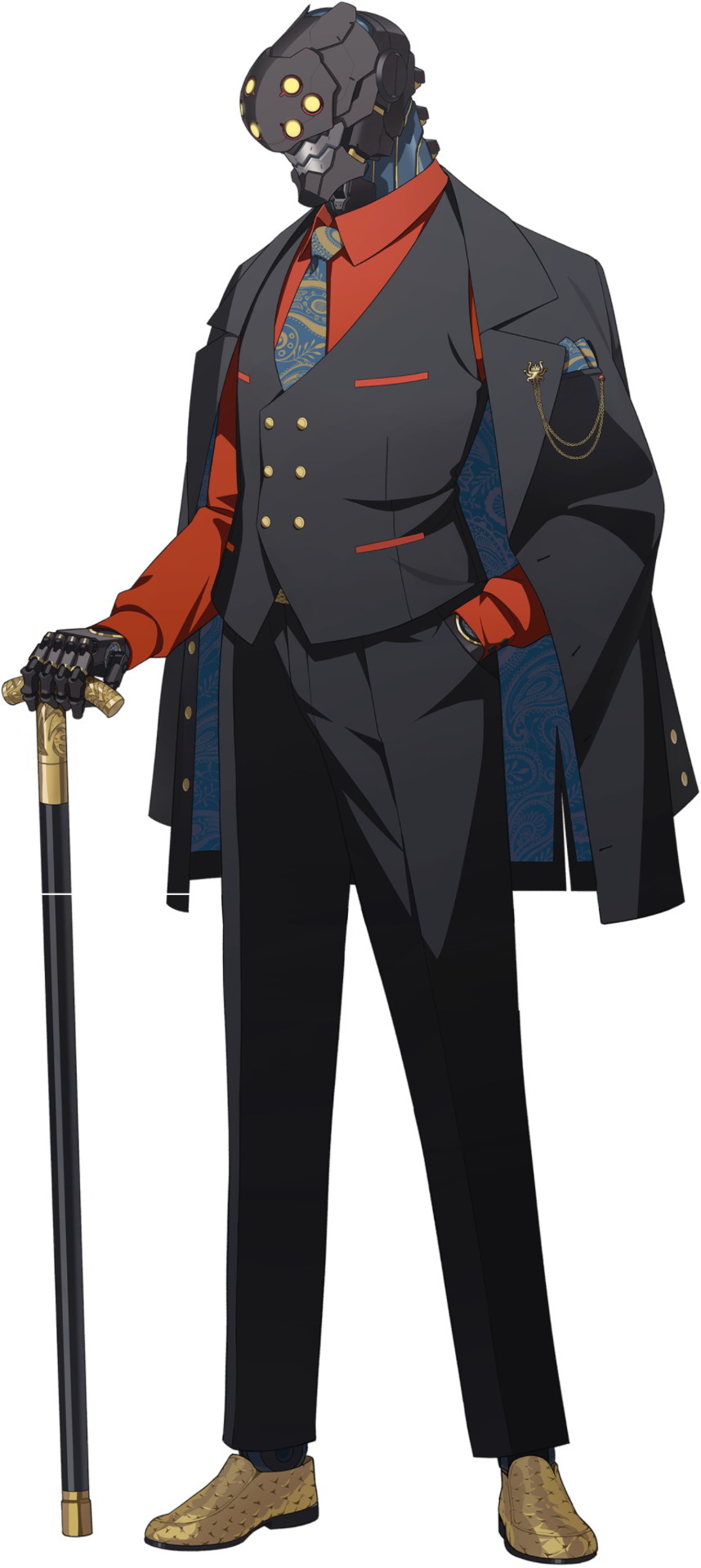
Hoshino protects the Abydos Foreclosure Task Force while presenting herself as a sleepy, easygoing old timer. Her teasing and reluctance to work conceal a fiercely protective senior who takes the front line when her friends are in danger. As Abydos restores its council, she accepts the presidency after Ayane's brief term.
Closest, by dimension



Other compatible profiles








The most distant

A large academy formed from an alliance of schools and factions, with influential religious institutions and traditions of order and etiquette. Its principal factions share leadership through the Tea Party, while its students differ in their beliefs and attitudes.
Also close, by dimension



The most distant
Ideological proximity
Closest within Right
Revival of Thomas Aquinas's thought from 1879 (Leo XIII), with Maritain and Gilson. It grounds politics in natural law, the common good and subsidiarity, favoring mixed government, property with a social function and just war, under Catholic faith.
Aristotle's political philosophy, defending a mixed constitution of monarchical, aristocratic and popular elements to avoid both tyranny and radical democracy, reserving full citizenship for those with virtue, property and the education to deliberate.
Conservative tradition that accepts social reforms and protection for the poorest to preserve national cohesion, seeing elites as responsible for the people's welfare and for harmony between classes.
Closest in other spectrums
Centrist current that applies Christian values to democratic politics, defending the social market economy, family, solidarity, and the common good as the foundation of free and pluralist institutions.
Position that opposes genetic manipulation and the technological enhancement of the human body, defending ethical limits on science in the name of dignity, human nature, and prudence toward the future.
Doctrine of Christian inspiration that advocates the wide distribution of property and small-scale production, opposing both monopoly capitalism and state socialism in favor of autonomous communities.
The most distant ideology
Techno-SocialismRadical Left35%