
National Democracy
Current that combines popular sovereignty and democratic institutions with strong cultural nationalism, prioritizing the nation's interests and identity over supranational commitments and multiculturalism.
Home / Ideologies / National Democracy
Current that combines popular sovereignty and democratic institutions with strong cultural nationalism, prioritizing the nation's interests and identity over supranational commitments and multiculturalism.
In one sentence
I want a sovereign nation that freely votes its own laws, but places the people's identity and interests above any supranational commitment.
Political axes
Our National Democracy model centers on sovereign nation that freely votes its own laws, but places the people's identity and interests above any supranational commitment. That core does not specify the constitutional allocation of power between territorial units and a center. Administrative centralization, social equality and opposition to the state are different claims from a federal constitution.

Our National Democracy definition includes “current that combines popular sovereignty and democratic institutions with strong cultural nationalism, prioritizing the nation's interests and identity over supranational commitments and multiculturalism”. Popular decision-making and recall bear on democratic authorization; restricted membership can still limit who participates.

Our National Democracy model centers on sovereign nation that freely votes its own laws, but places the people's identity and interests above any supranational commitment. That core does not specify the permissible use of public coercion versus protected personal autonomy. The form of government does not alone establish the extent of surveillance, repression or civil liberty.

Our National Democracy definition includes “current that combines popular sovereignty and democratic institutions with strong cultural nationalism, prioritizing the nation's interests and identity over supranational commitments and multiculturalism”. Recognized plural identities or equal membership bear on coexistence; imperial tolerance can still be administered unequally.


Our National Democracy model centers on sovereign nation that freely votes its own laws, but places the people's identity and interests above any supranational commitment. That core does not specify the political role of organized armed force and acceptance of war. Domestic coercion, economic state intervention and national pride do not by themselves establish militarism or pacifism.

Our National Democracy model centers on sovereign nation that freely votes its own laws, but places the people's identity and interests above any supranational commitment. That core does not specify coercive foreign projection into other peoples or states. This axis concerns foreign intervention, not nationalism, domestic regulation, cultural confidence or military preparedness alone.

Our National Democracy model centers on sovereign nation that freely votes its own laws, but places the people's identity and interests above any supranational commitment. That core does not specify ownership of productive assets, land and enterprises. Welfare spending, moral solidarity and expert administration do not by themselves abolish or privatize productive ownership.

Our National Democracy model centers on sovereign nation that freely votes its own laws, but places the people's identity and interests above any supranational commitment. That core does not specify how production and allocation are coordinated through plans or decentralized exchange. Public ownership can coexist with markets, and private firms can operate under directed planning.

Our National Democracy definition includes “current that combines popular sovereignty and democratic institutions with strong cultural nationalism, prioritizing the nation's interests and identity over supranational commitments and multiculturalism”. Sovereignty or locally rooted production supplies protection-oriented context, but specific tariff and capital rules remain model assumptions.

Our National Democracy model centers on sovereign nation that freely votes its own laws, but places the people's identity and interests above any supranational commitment. That core does not specify whether public rules and political authority are grounded in religious doctrine. Personal faith, atheism, religious identity and rejection of a state do not alone establish the source of public rules.

Our National Democracy model centers on sovereign nation that freely votes its own laws, but places the people's identity and interests above any supranational commitment. That core does not specify public attitudes toward inherited customs, family, gender and social change. Economic redistribution, technological novelty and a religious affiliation do not uniquely determine every moral position.

Our National Democracy model centers on sovereign nation that freely votes its own laws, but places the people's identity and interests above any supranational commitment. That core does not specify the priority given to technological transformation versus ecological or bodily limits. Historical age, rural life and scientific reasoning do not by themselves establish acceptance or rejection of all technology.
Leans further toward assimilation than 75% of the 250 ideologies in the catalog.
Of all the axes, Immigration is where it stands furthest from the rest.
On Economy, it sits practically at the catalog median.
Here it shares common ground with most ideologies.

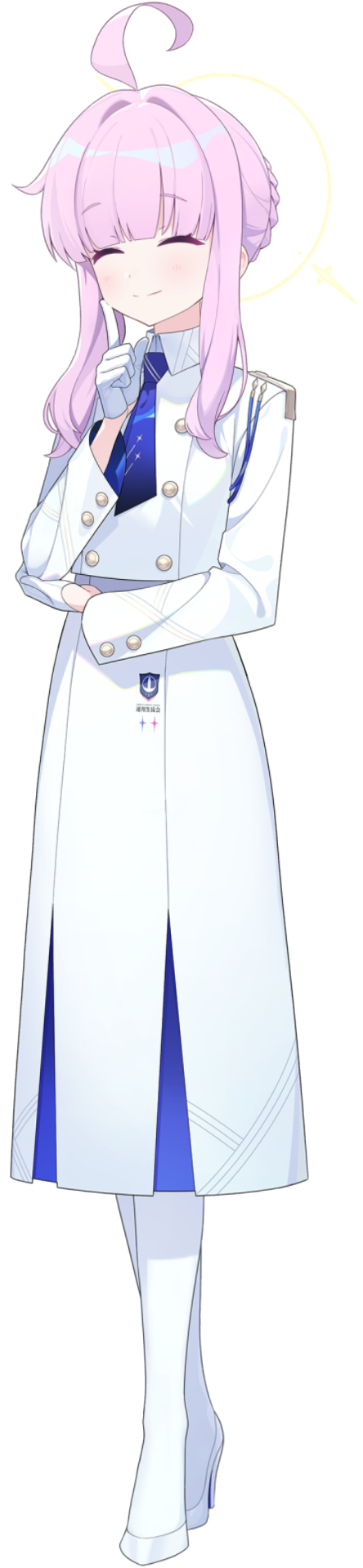
Kanna directs Valkyrie's Public Peace Bureau and pursues investigations with exceptional persistence. Her Feral Hound nickname and stern appearance can suggest a temper she does not actually have; she is generally grounded and focused on uncovering the truth.
Closest, by dimension



Other compatible profiles








The most distant
Shanhaijing's governing office, led by Kisaki, enforces local rules and negotiates with its commercial organizations. Kisaki balances inherited customs with reforms and exchanges, while members of the office can resist changes they consider contrary to tradition.
Also close, by dimension



The most distant
Ideological proximity
Closest within Right
Nationalism based on shared language, traditions, and heritage rather than race, which values the people's cultural identity and the integration of those who adopt these values, defending the nation's cohesion.
Ideology that places the nation as the central value, defending its sovereignty, unity, and identity, and prioritizing the interests of the people and the nation-state over external influences and globalism.
Current that unites traditional values, family, and religion with strong cultural nationalism, defending sovereignty, borders, and the people's identity within democracy, with clear distrust of globalism.
Closest in other spectrums
Justicialist doctrine of Juan and Eva Perón uniting political sovereignty, economic independence and social justice, with CGT unions, nationalizations, protected industrialization, social Catholicism and a charismatic leader above parties.
Democratic Party current born with Franklin Roosevelt that joins financial regulation, social security, public works and strong unions with civic patriotism, preserved capitalism and international leadership.
Current that defends workers' interests within democracy, promoting labor rights, social security, strong unions, and income distribution through reforms and the welfare state.
The most distant ideology
Crypto-AnarchismLibertarian30%