
Fourth Political Theory
Theory by Aleksandr Dugin that rejects liberalism, communism, and fascism and proposes a multipolar world founded on civilizations, tradition, and collective identity, opposing globalism and Western hegemony.
Home / Ideologies / Fourth Political Theory
Theory by Aleksandr Dugin that rejects liberalism, communism, and fascism and proposes a multipolar world founded on civilizations, tradition, and collective identity, opposing globalism and Western hegemony.
In one sentence
I want a multipolar world of civilizations rooted in tradition and collective identity, raised against globalism and Western hegemony.
Political axes

Our Fourth Political Theory model centers on multipolar world of civilizations rooted in tradition and collective identity, raised against globalism and Western hegemony. That core does not specify the constitutional allocation of power between territorial units and a center. Administrative centralization, social equality and opposition to the state are different claims from a federal constitution.

Our Fourth Political Theory model centers on multipolar world of civilizations rooted in tradition and collective identity, raised against globalism and Western hegemony. That core does not specify who can choose, replace and hold political decision-makers accountable. A social or economic objective does not by itself establish elections, popular sovereignty or an unelected ruling elite.

Our Fourth Political Theory model centers on multipolar world of civilizations rooted in tradition and collective identity, raised against globalism and Western hegemony. That core does not specify the permissible use of public coercion versus protected personal autonomy. The form of government does not alone establish the extent of surveillance, repression or civil liberty.

Our Fourth Political Theory model centers on multipolar world of civilizations rooted in tradition and collective identity, raised against globalism and Western hegemony. That core does not specify minority membership, migration and the coexistence of cultural identities. Shared economic interests or a universal philosophical ethic do not alone specify immigration or cultural-integration policy.
Our Fourth Political Theory model centers on multipolar world of civilizations rooted in tradition and collective identity, raised against globalism and Western hegemony. That core does not specify the political role of organized armed force and acceptance of war. Domestic coercion, economic state intervention and national pride do not by themselves establish militarism or pacifism.

Our Fourth Political Theory definition includes “fascism and proposes a multipolar world founded on civilizations, tradition”. International engagement or military capacity is relevant context, but neither an alliance nor preparedness automatically establishes coercive intervention.

Our Fourth Political Theory model centers on multipolar world of civilizations rooted in tradition and collective identity, raised against globalism and Western hegemony. That core does not specify ownership of productive assets, land and enterprises. Welfare spending, moral solidarity and expert administration do not by themselves abolish or privatize productive ownership.

Our Fourth Political Theory model centers on multipolar world of civilizations rooted in tradition and collective identity, raised against globalism and Western hegemony. That core does not specify how production and allocation are coordinated through plans or decentralized exchange. Public ownership can coexist with markets, and private firms can operate under directed planning.

Our Fourth Political Theory definition includes “collective identity, opposing globalism and Western hegemony”. The scope of the accepted or rejected exchange matters; opposition to globalism or foreign dependence is different from rejection of every form of trade.

Our Fourth Political Theory model centers on multipolar world of civilizations rooted in tradition and collective identity, raised against globalism and Western hegemony. That core does not specify whether public rules and political authority are grounded in religious doctrine. Personal faith, atheism, religious identity and rejection of a state do not alone establish the source of public rules.

Our Fourth Political Theory model centers on multipolar world of civilizations rooted in tradition and collective identity, raised against globalism and Western hegemony. That core does not specify public attitudes toward inherited customs, family, gender and social change. Economic redistribution, technological novelty and a religious affiliation do not uniquely determine every moral position.

Our Fourth Political Theory model centers on multipolar world of civilizations rooted in tradition and collective identity, raised against globalism and Western hegemony. That core does not specify the priority given to technological transformation versus ecological or bodily limits. Historical age, rural life and scientific reasoning do not by themselves establish acceptance or rejection of all technology.
Leans further toward religious governance than 94% of the 250 ideologies in the catalog.
Of all the axes, Religion in governance is where it stands furthest from the rest.
On Economy, it sits close to the catalog median.
Here it shares common ground with most ideologies.

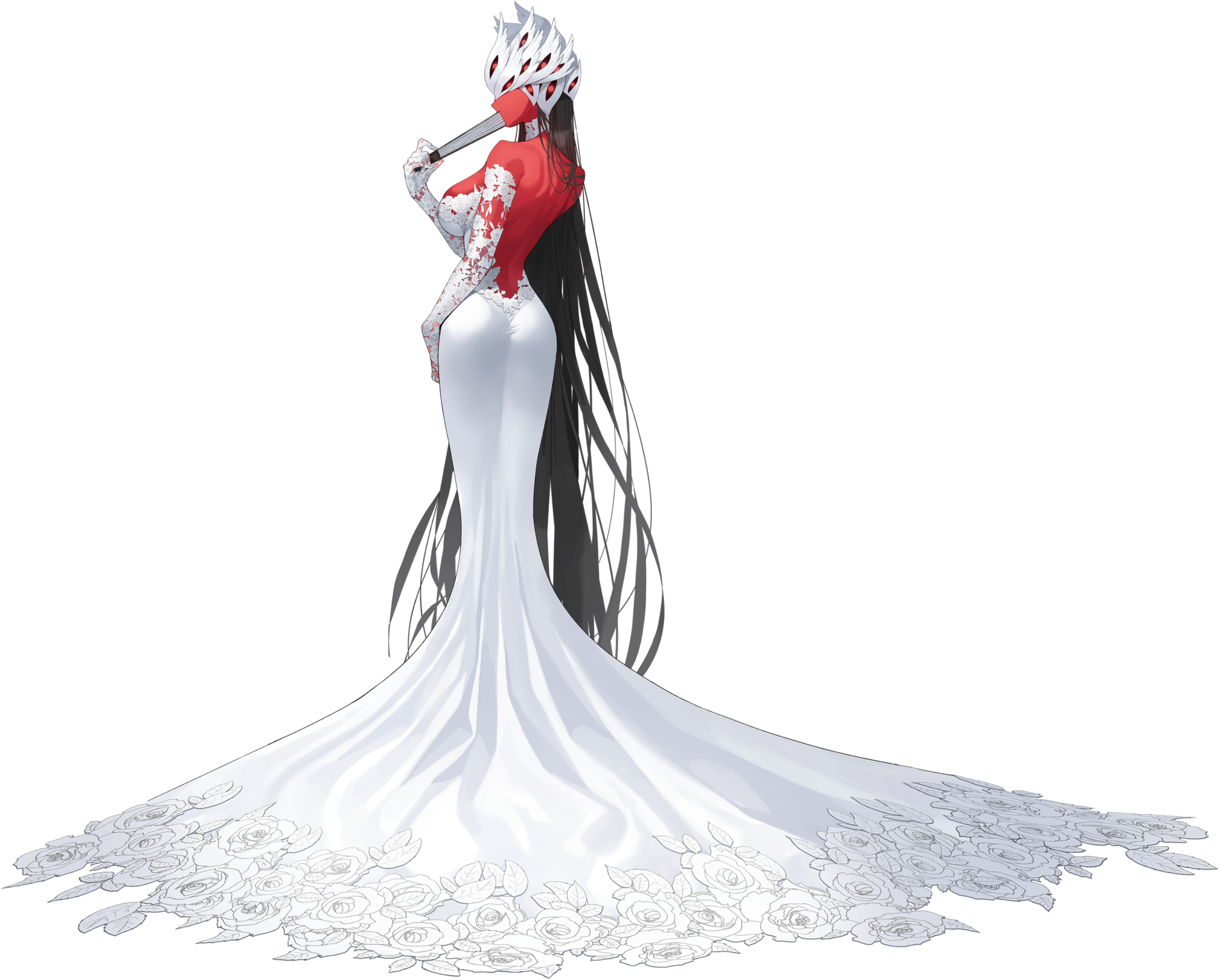
Wakamo is an expelled Hyakkiyako student and one of the Seven Prisoners who escaped custody. Her destructive exploits earned her a fearsome reputation, while the mask she wears and the motives behind her actions invite persistent speculation.
Closest, by dimension



Other compatible profiles






The most distant

One of Trinity's principal factions and a successor to a founding academy. During the Eden Treaty crisis its members demand martial law and detain rivals; Mika's former leadership and later probation form part of its changing political history.
Also close, by dimension


The most distant
Ideological proximity
Closest within Third Position
Authoritarian nationalist movement that emerged in 1930s Brazil, with a Christian and corporatist base, the motto God, Fatherland and Family, mass aesthetics, and frontal opposition to liberalism and communism.
Spanish authoritarian nationalism of Catholic and syndicalist inspiration, advocating a corporatist state, national unity, and social hierarchy, becoming the ideological pillar of Franco's regime in Spain.
A variant of fascism that fuses ultranationalism, a mass party and militias with the authority of a national Church, with clergy in power, as in Dollfuss's Austrofascism, Father Tiso's Slovakia, the Croatian Ustaše and Romania's Iron Guard.
Closest in other spectrums
Project that seeks to organize state and society according to the strict interpretation of a religious doctrine, subordinating laws, customs, and politics to sacred precepts and rejecting modern secularism.
Stance that rejects modernity and seeks to restore the pre-revolutionary order, defending monarchy, religion, tradition, and hierarchy against Enlightenment rationalism, liberalism, and democracy.
Current that preserves order, tradition, and hierarchy through a strong state, restricting freedoms and political participation in the name of social stability, morality, religion, and established authority.
The most distant ideology
Crypto-AnarchismLibertarian21%